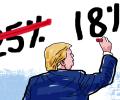
'Trump says India will buy over $500 billion of US goods.' 'At present, India's annual imports of goods and energy from the US are under $50 billion.' 'Reaching $500 billion would likely require more than 20 years, suggesting the figure refers to a long-term aspiration rather than a near-term commitment.'

'As a nation, we create beautiful content and a high volume of it (films) but we are limited by the number of theatres and screen density.' 'You now have a living-room large screen available to showcase that.'

From the Sensex firms, Bharti Airtel, Power Grid, Tech Mahindra, Infosys, Bajaj Finance and Reliance Industries were among the major laggards. However, Larsen & Toubro, Bharat Electronics, UltraTech Cement and Maruti were among the gainers.

The rupee appreciated 53 paise to close at 89.67 against the US dollar on Friday, supported by corporate dollar inflows and easing crude oil prices. Forex traders said a positive trend in domestic equities and Brent crude oil prices hovering near $59 per barrel supported the domestic unit at lower levels.

A 500 per cent tariff would effectively shut out India's goods and services exports to the US.

From the Sensex firms, Mahindra & Mahindra, Bajaj Finserv, Tech Mahindra, Power Grid, ITC, Hindustan Unilever, Reliance Industries and Maruti were the biggest laggards. IndusInd Bank, Bharti Airtel and UltraTech Cement were the gainers.

From the 30-share Sensex pack, Tata Consultancy Services and Infosys jumped over 4 per cent each. HCL Technologies, Tech Mahindra, Adani Ports, Larsen & Toubro, Maruti and Reliance Industries were also among big gainers. Titan, IndusInd Bank, Hindustan Unilever, Axis Bank and HDFC Bank were the laggards.

Investing in gold trumped most other asset classes in terms of compounded annualised returns over the long term, suggests a report by FundsIndia.

The rupee breached 90-levels against the greenback for the first time on Wednesday, falling 6 paise to 90.02 in early trade, as banks kept buying US dollars at higher levels and FII outflows continued.

Equity markets will take cues from the US tariff related developments, global trends and trading activity of foreign investors this week, analysts said.

From the Sensex firms, Adani Ports, Bharat Electronics, Eternal, Tata Motors Passenger Vehicles, State Bank of India and Kotak Mahindra Bank were among the biggest gainers. However, ITC, Bajaj Finance, Titan and Tech Mahindra were the laggards.

From the Sensex pack, Eternal, Maruti Suzuki India, Kotak Mahindra Bank, Mahindra & Mahindra, Tech Mahindra, Titan, HDFC Bank, PowerGrid, Bajaj Finserv, HCL Technologies, Bajaj Finance and Larsen & Toubro were among the gainers. On the other hand, Tata Motors Passenger Vehicles, Asian Paints, UltraTech Cement, Bharat Electronics Ltd, Tata Steel, Adani Ports, Hindustan Unilever, ITC, Tata Consultancy Services and Reliance Industries were the only laggards.

Ecotrail Personal Care, a start-up by sisters Mauli and Grishma Teli, is the only company in India that makes halal cosmetics

Ola Electric has denied media reports suggesting its involvement in a leak of proprietary pouch cell technology (tech) from South Korea's LG Energy Solution, calling the allegations "baseless". The company said it has no commercial or research interest in the older pouch cell format cited in the reports, emphasising that its new 4680 Bharat Cell - based on advanced dry-electrode cylindrical tech - is already in commercial production.

Quarterly earnings from corporates, the US Fed interest rate decision and other global trends will be the major driving factors for determining movement in the domestic equity market in a holiday-shortened week ahead, analysts said. Besides, factors like trading activity of foreign investors, global oil benchmark Brent crude and rupee-dollar trend would also influence trading.

From the Sensex pack, Eternal, Bharat Electronics Ltd, Trent, Axis Bank, State Bank of India, Bajaj Finance, Sun Pharmaceuticals, Asian Paints, Adani Ports, Hindustan Unilever, Reliance Industries, ITC, PowerGrid, Tata Motors Ltd's Commercial Vehicles business, and Bajaj Finserv were the gainers. Infosys, Tata Motors Passenger Vehicles, Tata Steel, ICICI Bank, Tech Mahindra, Titan, UltraTech Cement, Maruti Suzuki India, and Larsen & Toubro were the laggards.

Equity market sentiment this week will be guided by global trends in the absence of any major domestic triggers, while bourses may also see some volatility amid expiry of derivatives contracts, analysts said. Fears of sooner-than-expected tapering in monetary stimulus by the US Federal Reserve, rising cases of the Delta variant of the coronavirus coupled with China's regulatory crackdown triggered selling in global markets in the previous week.
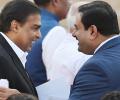
Who else will take on the might of Microsoft, Google, and Amazon if not the Adanis, Ambanis, Birlas, or Tatas?, asks R Jagannathan.

As it gains commercial viability, the food will likely become a powerful political currency.

The global PC landscape is poised for a seismic shift as artificial intelligence (AI) PCs are projected to dominate the market, with 98 per cent of all PCs expected to feature AI capabilities by 2028, according to a senior Dell executive. Talking to PTI, senior director and general manager of Client Solutions Group at Dell Technologies India, Indrajit Belgundi said AI PC adoption is significantly growing across all age groups, industries, and categories.
Benchmark stock indices Sensex and Nifty declined on Monday, extending the losing run to the fourth day amid selling in IT shares and foreign fund outflows. The 30-share BSE Sensex dropped by 247.01 points or 0.30 per cent to settle at 82,253.46. During the day, it fell 490.09 points or 0.59 per cent to 82,010.38 but recovered some of the losses towards the close.

Delhi-based pharma major Mankind Pharma on Wednesday announced a collaboration with OpenAI to institutionalise artificial intelligence (AI) across its value chain, making it one of the first few Indian pharmaceutical companies to fully integrate advanced AI into its core operations.

From the Sensex firms, Axis Bank, Kotak Mahindra Bank, Maruti, UltraTech Cement, Bajaj Finance, ICICI Bank, Reliance Industries, Tata Steel, Bharti Airtel and HDFC Bank were among the major laggards. However, Trent, State Bank of India, Bharat Electronics, Titan and Bajaj Finserv were among the gainers.
Among Sensex firms, Tech Mahindra, HCL Tech, Asian Paints, NTPC, Infosys, Nestle, Sun Pharma, and Tata Steel were the major laggards. Eternal, State Bank of India, HDFC Bank, Larsen & Toubro, Reliance Industries and Bajaj Finserv were the gainers.

Investors' wealth eroded by Rs 9.51 lakh crore on Monday morning, following a crash in equity markets where the benchmark Sensex tanked over 2,400 points, mirroring a sharp plunge in global peers. The 30-share BSE benchmark tanked 2,401.49 points to 78,580.46 in early trade. Following the sharp decline in equities, the market capitalisation of BSE-listed firms dropped by Rs 9,51,771.37 crore to Rs 4,47,65,174.76 crore ($5.35 trillion) during the morning trade.

Benchmark stock indices Sensex and Nifty fell for the third day running on Friday due to weak trends in global markets and soaring crude oil prices. Foreign fund outflows also weighed on investor sentiments amid strengthening US bond yields which are nearing 5 per cent for the first time since 2007. The 30-share BSE Sensex fell 231.62 points or 0.35 per cent to settle at 65,397.62.
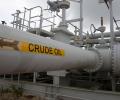
India has gained the least since Russia invaded Ukraine in February 2022 and was penalised the most, while the US, China and the European Union emerged as the biggest beneficiaries from the war.
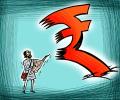
The rupee plunged 26 paise to an all-time low of 90.75 against the US dollar in intra-day trade on Monday, weighed down by uncertainty over an India-US trade deal and persistent foreign fund outflows.

From the Sensex shares, IndusInd Bank jumped 7.12 per cent. Axis Bank, Adani Ports, Asian Paints, Bharti Airtel, State Bank of India and ITC were also among the gainers. Maruti, Infosys, Tata Motors, Larsen & Toubro, NTPC and Bajaj Finance were among the laggards.

The ongoing fourth quarter earnings season, global factors and macroeconomic data would guide the trends in the equity markets this week, analysts said. Markets would also take cues from trading activity of foreign investors, rupee-dollar trend and movement of global oil benchmark Brent crude. "Domestically, the next batch of Q4 earnings reports will drive stock-specific movements, Hero MotoCorp, Larsen & Toubro, BPCL, State Bank of India, Eicher Motors and Tata Motors are some of the big names in the list and the next phase of voting," said Pravesh Gour, senior technical analyst, Swastika Investmart Ltd.

Russian President Vladimir Putin's visit to India this week aims to secure energy supplies, stabilise defence deliveries and ensure bilateral trade continues smoothly despite strong Western sanctions, GTRI said on Tuesday.

In its annual report to Congress on Tuesday on 'Military and Security Developments Involving the People's Republic of China 2025', the US Department of War said the People's Liberation Army (PLA) is actively considering and planning for additional military facilities.

From the Sensex pack, Zomato jumped nearly 5 per cent, followed by Titan which climbed almost 4 per cent. IndusInd Bank, Maruti, Tech Mahindra, Adani Ports, Bharti Airtel and HDFC Bank were also among the gainers.

Amid US-China trade tensions and economic vulnerabilities, India must seize the 'China +1' opportunity, deepen reforms, secure FTAs, and globalise its firms for long-term growth, suggests Ajay Shah.
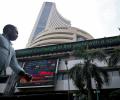
Among the Sensex firms, Bharat Electronics Ltd, Mahindra & Mahindra, Adani Ports, HCL Technologies, Eternal, Infosys, Bharti Airtel, Sun Pharmaceuticals, Larsen & Toubro, Hindustan Unilever and UltraTech Cement were the gainers. Bajaj Finance, Tata Motors Passenger Vehicles, Kotak Mahindra Bank, PowerGrid and Tata Steel were among the laggards.

From the Sensex firms, Adani Ports, Bajaj Finance, Tech Mahindra, IndusInd Bank, Nestle and Tata Steel were among the major laggards. In contrast, Mahindra & Mahindra, Titan, Larsen & Toubro, Bharti Airtel and Maruti were among the gainers.

The US Federal Reserve's interest rate decision is the biggest event that would drive sentiments in the domestic stock market this week, besides a host of macroeconomic data from the global front and trading activity of foreign investors, analysts said. The Indian equity market had an exceptional last week, with both the Nifty and Sensex hitting their all-time high levels on Thursday.

Among Sensex firms, Tata Steel, HCL Tech, UltraTech Cement, Bharat Electronics, Sun Pharma and Tata Consultancy Services were the major gainers. However, Axis Bank, Titan, Maruti and Tata Motors were among the laggards.

'Calibrated depreciation will help rebalance external fundamentals, offset some of the tariff differentials with competitors, improve the competitiveness of domestic substitutes vis-a-vis Chinese imports, and contribute to the easing of financial conditions at a time when the inflation rate is unusually low,' explains Sajjid Z Chinoy, head of Asia Economics at JP Morgan.
Among the Sensex firms, Infosys, HCL Technologies, Bajaj Finance, Asian Paints, Tata Motors Passenger Vehicles, Tata Consultancy Services, Bharti Airtel, Titan, Bajaj Finserv, Reliance Industries and Larsen & Toubro were the gainers. Trent Ltd, Eternal, Power Grid, UltraTech Cement, Mahindra & Mahindra, Axis Bank, State Bank of India, Adani Ports, Hindustan Unilever and NTPC were the laggards.
